Virtual trauma therapy across Ontario
Trauma therapy in Ontario for what survival left behind.
Trauma is more than an event. It can be the bracing, numbness, vigilance, shutdown, anger, avoidance, people-pleasing, disconnection, or sense that your body is still preparing for something that has ended.
I’m Kai DeMaeyer, a Registered Psychotherapist (Qualifying) offering paced, relational trauma therapy for adults navigating single-incident trauma, complex trauma, CPTSD, PTSD, childhood or relational trauma, first responder stress, dissociation, shame, grief, and the nervous system cost of surviving. You do not need to begin with the details.
- Adults
- Virtual across Ontario
- $140 per 50 minutes
- No PTSD or CPTSD diagnosis required
- Free 15-minute consultation
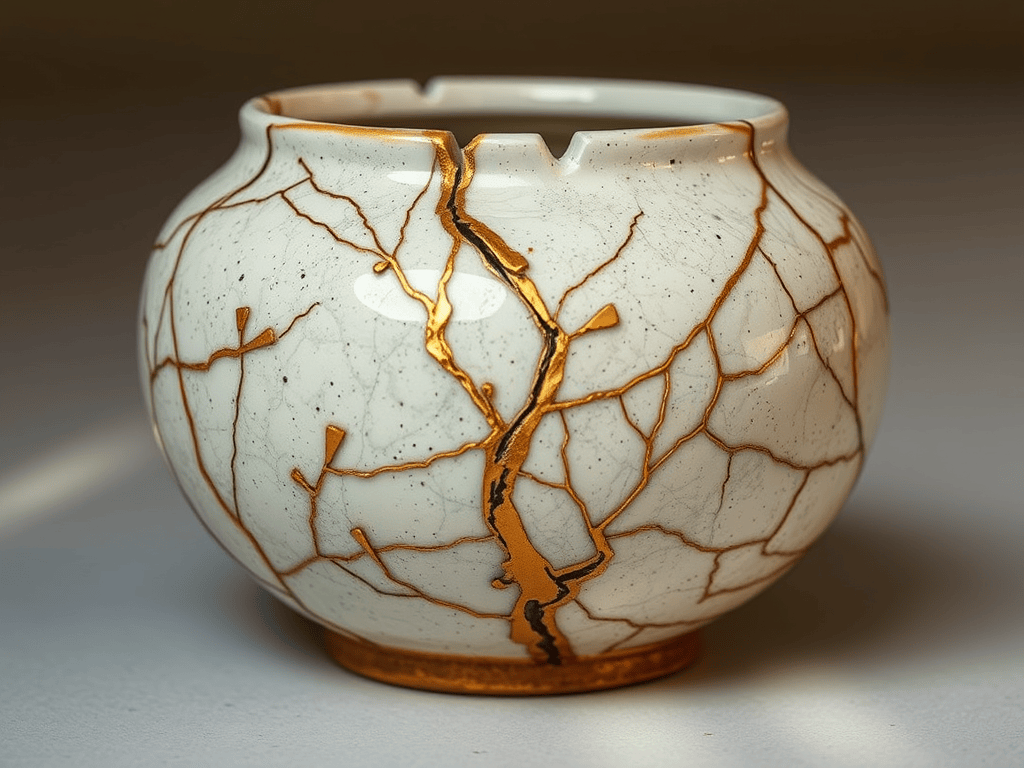
Different forms of trauma
The event may be over. The response can continue.
Single-incident trauma and PTSD
Support after an accident, assault, sudden loss, crisis, medical experience, disaster, or another overwhelming event that continues to affect safety, memory, sleep, relationships, or the body.
Complex and relational trauma
Therapy for repeated, developmental, childhood, family, attachment, identity-based, or relational harm where survival patterns became part of how you learned to stay connected or safe.
Repeated exposure and occupational trauma
Support for first responders, healthcare and crisis workers, therapists, social service workers, and others exposed to urgency, danger, grief, traumatic material, or responsibility that does not switch off easily.
How survival can show up now
The response made sense when danger was present.
A survival response can remain active long after the original moment, relationship, role, or environment has changed. Therapy begins by understanding what the response learned to protect.
- Hypervigilance, bracing, startle, and difficulty settling
- Numbness, shutdown, dissociation, and disconnection
- Avoidance, over-functioning, control, and staying useful
- People-pleasing, fawning, shame, and boundary confusion
- Anger, sleep disruption, intrusive memories, and distrust
What therapy can work toward
More choice in the present.
The aim is not to erase the past or become untouched by it. We work toward greater steadiness, self-trust, connection, boundaries, and room between an old survival signal and what you choose next.
- Stabilization, grounding, pacing, and present-day safety
- Understanding protective parts and survival strategies
- Boundaries, relationships, communication, and repair
- Shame, grief, anger, identity, story, and meaning
- Sex, intimacy, embodiment, trust, and renewed choice
The clinical stance
Protection is not pathology.
Numbness, avoidance, anger, vigilance, dissociation, people-pleasing, and over-functioning are approached as protective responses with a history, a purpose, and often a present-day cost.
Safety and capacity come first.
Trauma work does not need to begin with the hardest details. We can start with grounding, present-day patterns, trust, choice, and enough steadiness to keep the work from becoming another overwhelm.
Survival responses are understood as protection.
We look at what a response prevented, how it helped you survive, what it costs now, and what your system may need before it can risk responding differently.
Story, body, and relationship remain connected.
My approach integrates Narrative Therapy, parts work, relational and psychodynamic attention, somatic awareness, DBT-informed skills, and trauma-informed care.
Context and power remain visible.
Trauma responses are shaped by relationships, family, culture, identity, disability, neurodivergence, work, systems, community, and the power surrounding what happened.
You do not need to tell the whole story to begin.
Book Your Free ConsultWhat to expect
Careful does not mean passive.
Orient
We identify what brings you in, what feels most disruptive now, what helps, what makes things harder, and what pace feels workable.
Stabilize
We build grounding, emotional regulation, body awareness, relational support, and ways to return to the present when the past feels close.
Map the protection
We notice what activates, what avoids, what shuts down, what takes control, and what each response has been trying to prevent.
Process with support
When there is enough capacity, we can work with memory, meaning, grief, anger, relationships, shame, and old conclusions built under pressure.
Common questions
Before you reach out.
Do I need a PTSD or CPTSD diagnosis?
No. Trauma therapy can support adults navigating single-event trauma, complex trauma, relational or childhood trauma, occupational exposure, and survival patterns that continue to affect daily life.
Do I have to talk about what happened right away?
No. Trauma therapy can begin with present-day patterns, grounding, emotional regulation, safety, trust, and stabilization. Difficult material can be approached when there is enough capacity and support.
Do you offer EMDR?
Not at this time. My current trauma work focuses on pacing, stabilization, nervous system support, meaning-making, protective survival responses, parts work, and relational patterns.
Do you work with first responders?
Yes. I work with first responders and other high-exposure professionals navigating repeated exposure, compartmentalization, moral distress, grief, burnout, vigilance, emotional numbing, and the impact of being relied on during crisis.
Can trauma therapy include relationships, sex, or identity?
Yes. Trauma can affect trust, closeness, boundaries, conflict, desire, body-based fear, identity, vulnerability, and connection. These parts of life can be included without treating them as separate from trauma.
Is therapy virtual?
Yes. Sessions are offered virtually to adults across Ontario who can meet from a private space.
Start with what happens now
The whole story can come later.
The free 15-minute consultation is a low-pressure place to meet me, ask questions, and see whether this feels like the right pace and approach for the trauma work you want to do.
Book Your Free Consult